

Conference: Early Italian Space Science in a European Context
Start time of day: 09:00
Place: Rome - day 1: Palazzina dell'Auditorio - Via della Lungara, 230; day 2: Palazzo Corsini, Via della Lungara, 10
Room: Sala di Scienze Fisiche, Auditorio
Event language: Italiano / Inglese
To participate in person, registration is required through a registration form
DIRECT STREAMING
The certificate of participationis issued exclusively as a result of participation in physical presence and must be requested from the personnel in charge in the antechamber on the same day of the conference
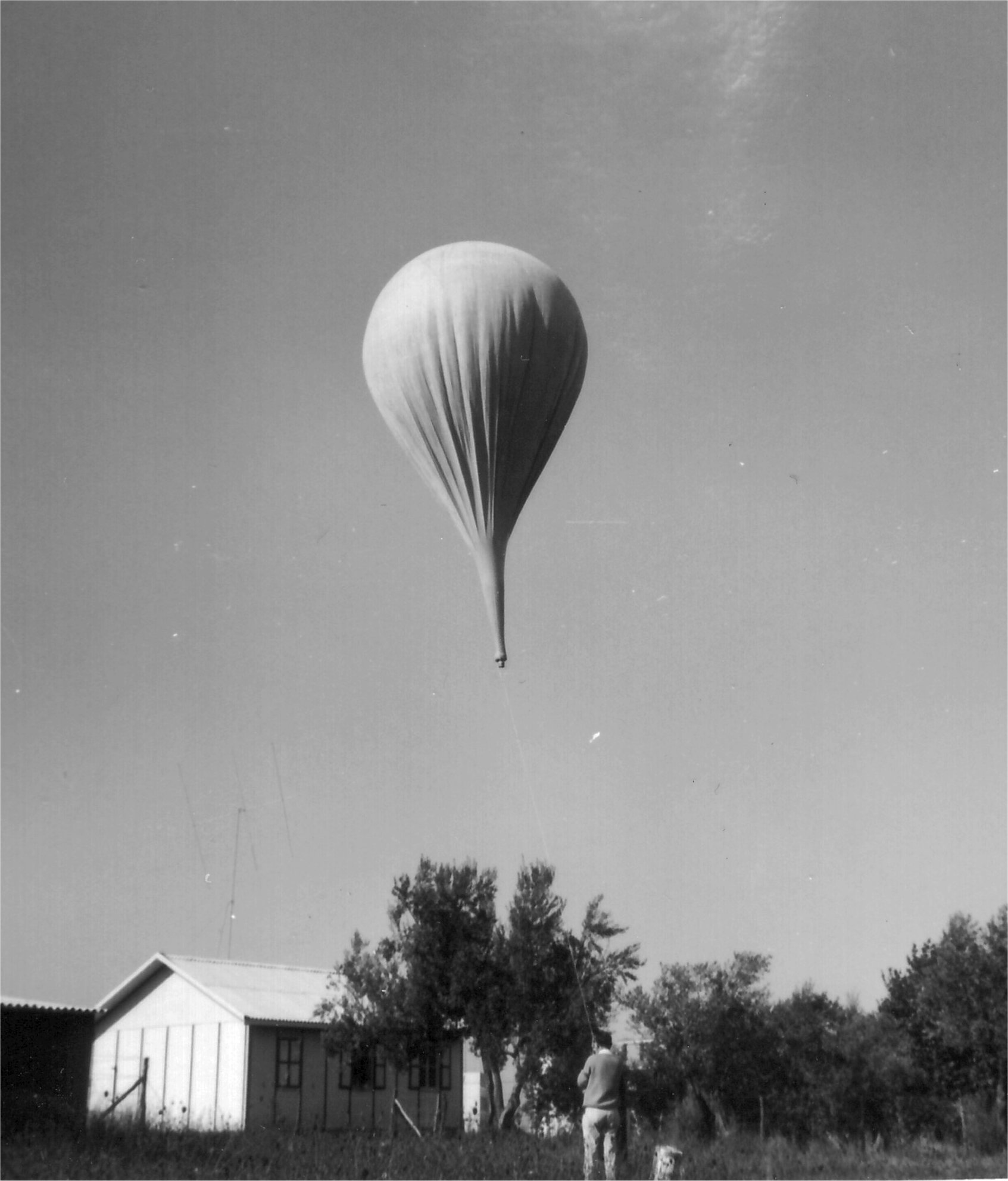
In the mid-1950s, scientific interest shifted toward outer space, focusing on the innovative use of rockets and satellites for direct exploration. In Italy, driven by Edoardo Amaldi, space research split into two main branches: a technological branch led by Broglio, and a fundamental physics branch—focused primarily on cosmic rays and heliophysics—developed at the Institute of Physics of the University of Rome by pioneers such as Francesca Bachelet, Franco Mariani, Anna Maria Conforto, Alberto Egidi, Sergio Cantarano, and Guido Pizzella. Upon returning from the United States, several of these researchers established research units within the CNR (National Research Council) and later at the University of Rome Tor Vergata. Other key centers emerged in Bologna and Milan. Around the same time, the National Institute of Geophysics contributed through studies on the ionosphere and Earth's magnetic field. Nearly 70 years later, this history has positioned Italy as a major participant in international space projects, supported by a vast community of researchers.
The first part of the Conference, geared toward a broader audience, will highlight early Italian space research. The second part, dedicated to "Future Horizons in Space Research," will address 21st-century challenges and opportunities across academic, educational, and industrial sectors. “University Programs and Opportunities” will be explored, such as the UNIVERSEH project, which is focused on the space field. Lastly, "Space Research and Our World" will examine the impact of space exploration on society, technology, and daily life.
The conference will also commemorate the Lincean academicians F. Mariani and N. F. Ness, alongside a small exhibition featuring original technical drawings of components from the first Italian satellites.
Open the PROGRAM in PDF format
Altri allegati: