

Lettura Corsiniana
Silvia Priori
Correggere il DNA per curare le malattie genetiche del cuore
Ora inizio giorno: 11:00
Luogo: Roma - Palazzo Corsini - Via della Lungara 10
Sala: Scienze Fisiche
Serie: Letture corsiniane
Per partecipare in presenza è richiesta l'iscrizione mediante modulo di registrazione
DIRETTA STREAMING
The electrical and mechanical activities of the heart work in coordination to ensure the effective pumping of blood to all organs of the body. This synchronized function is made possible by the regular contraction of the heart, which is governed by specialized contractile proteins within the sarcomere—the fundamental functional unit responsible for coordinating contractility during each heartbeat.
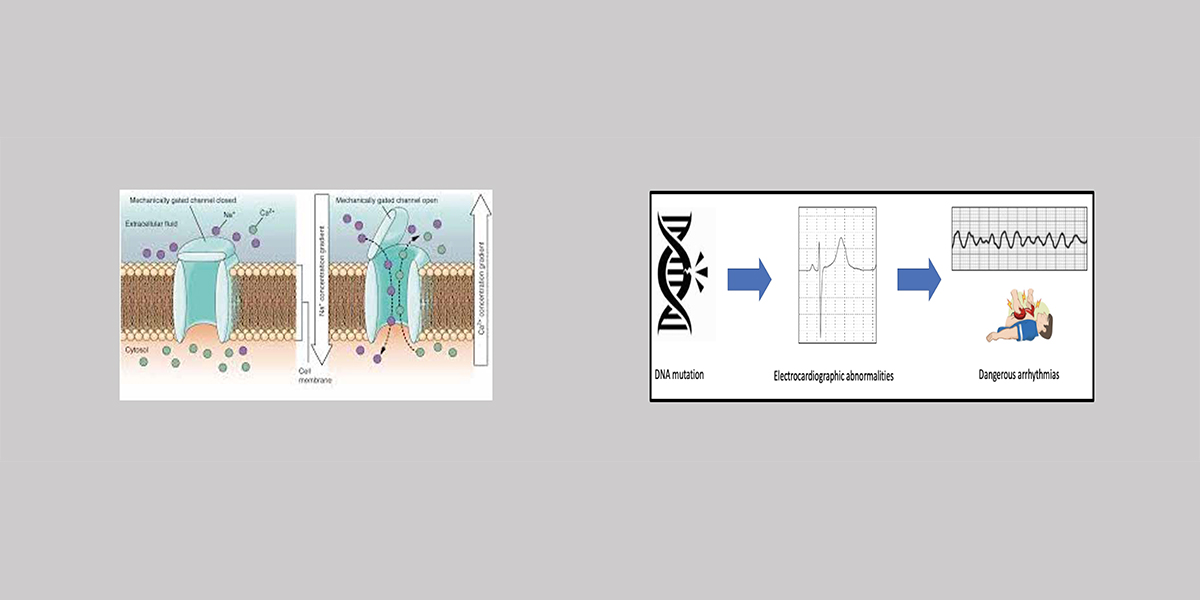
The precise timing of sarcomeric contraction is regulated by the heart’s electrical activity. This activity is driven by ion channels, which regulate the flow of ions such as sodium, calcium, and potassium into and out of cardiac cells. These ion fluxes generate the action potential that triggers muscle contraction.
Unfortunately, genetic mutations affecting either sarcomeric proteins or cardiac ion channels can lead to serious heart disorders. When these mutations impair contractility, the resulting condition is referred to as a cardiomyopathy. If the mutations alter ion channel function, the condition is classified as a channelopathy.
Molecular Medicine is an emerging interdisciplinary field that offers a “theranostic” approach to genetic disorders—combining diagnostic and therapeutic strategies at the molecular level.
At the University of Pavia, our team is currently following over 15,000 patients with various genetic cardiac conditions. We utilize molecular diagnostics to identify underlying genetic mutations and apply gene therapy techniques tailored to specific molecular defects.
In this presentation, we will explore the range of molecular approaches that are shaping the future of gene therapy. Our focus will be on how these targeted strategies hold the potential to reduce mortality associated with arrhythmias and heart failure.
Apri il PROGRAMMA in formato PDF