

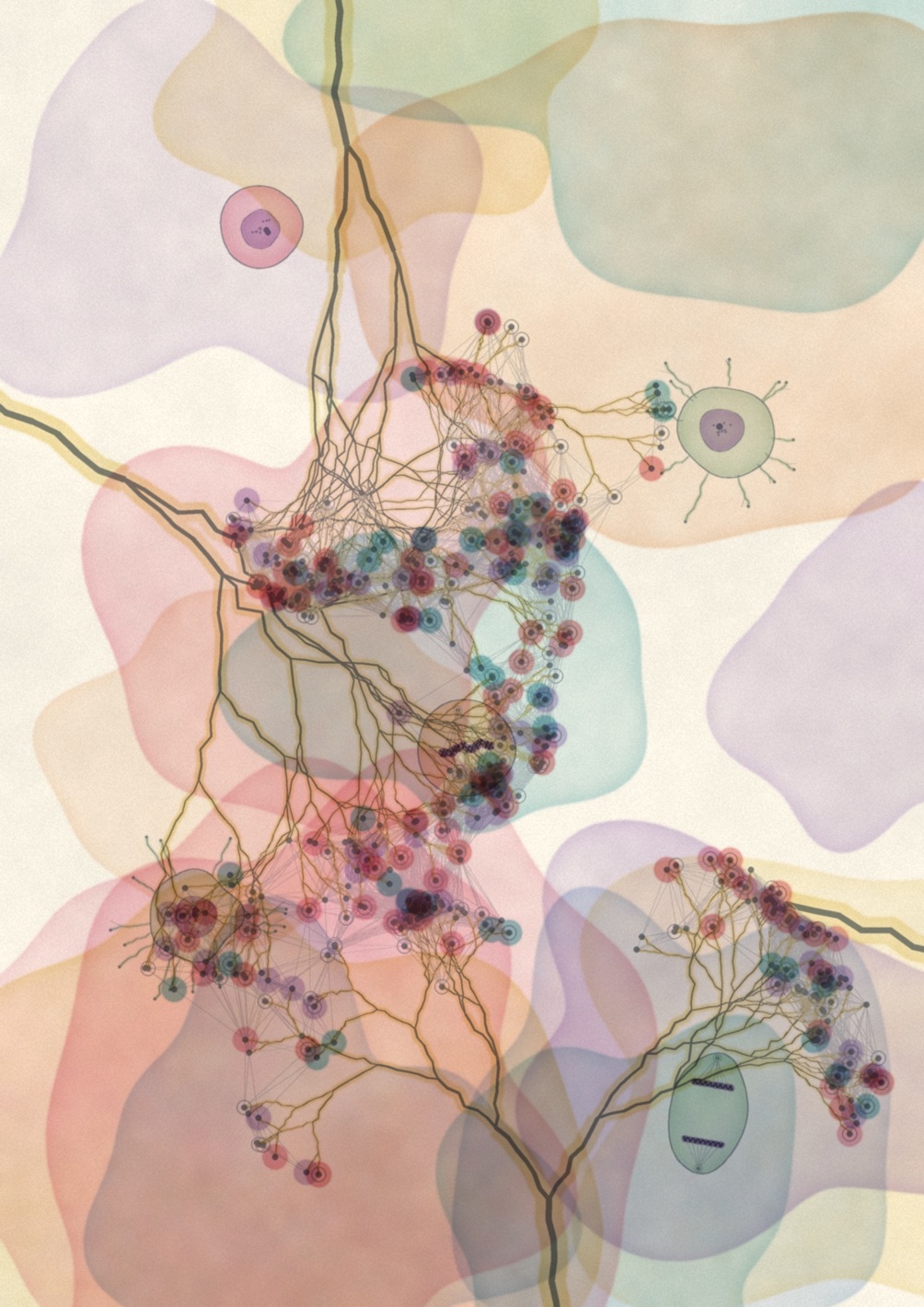
Cancer and AI: understanding clinical co-evolution
Ora inizio giorno: 09:45
Luogo: Roma - Palazzo Corsini - Via della Lungara 10
Sala: Scienze Fisiche
Lingua dell’evento: Inglese
Per partecipare in presenza è richiesta l'iscrizione mediante modulo di registrazione
DIRETTA STREAMING
L'attestato di partecipazione viene rilasciato esclusivamente a seguito di partecipazione in presenza fisica e deve essere richiesto al personale preposto in anticamera nello stesso giorno di svolgimento del convegno
Understanding the molecular mechanisms underlying cancer remains a major challenge in the development of effective therapies. In recent years, several transformative advances have reshaped the field, although their full implications for patients are still being explored. One of the most significant developments has been the growing understanding of cancer immunology and the emergence of immune-based therapeutic strategies. The clinical impact of PD-1-targeted therapies, mRNA-based cancer vaccines, and CAR-T and TCR-T cell therapies is already evident. Equally important is the emerging recognition of the interplay between the nervous and immune systems, including cholinergic cancer immunosurveillance mediated by choline acetyltransferase in T and B lymphocytes. Yet another major challenge—and opportunity—is the rapid development of artificial intelligence (AI), particularly generative AI (GenAI), which is already demonstrating considerable potential across multiple areas of medicine. In this context, the dialogue between physics as a foundation for AI (science for AI) and biomedicine as a field increasingly transformed by AI (AI for science) is becoming essential. Bringing these disciplines together may open new avenues for scientific discovery, deepen our understanding of cancer biology, and help shape the next generation of diagnostic and therapeutic approaches. This conference will explore key aspects of this dialogue, highlighting emerging opportunities, unresolved questions, and challenges likely to shape research in the years ahead. At the same time, the Accademia Nazionale dei Lincei (ANL) is launching a new Scuola Lincei di Studi Avanzati. Hosting the School of the Institute for Advanced Study (IAS) at Princeton—an institution with a longstanding tradition of bringing physics into dialogue with other disciplines, including biomedicine—could provide a particularly stimulating setting for intellectual exchange. We hope that this encounter will foster inspiration, discussion, and new opportunities for collaboration between the ANL and the IAS.
Apri il PROGRAMMA in formato PDF